
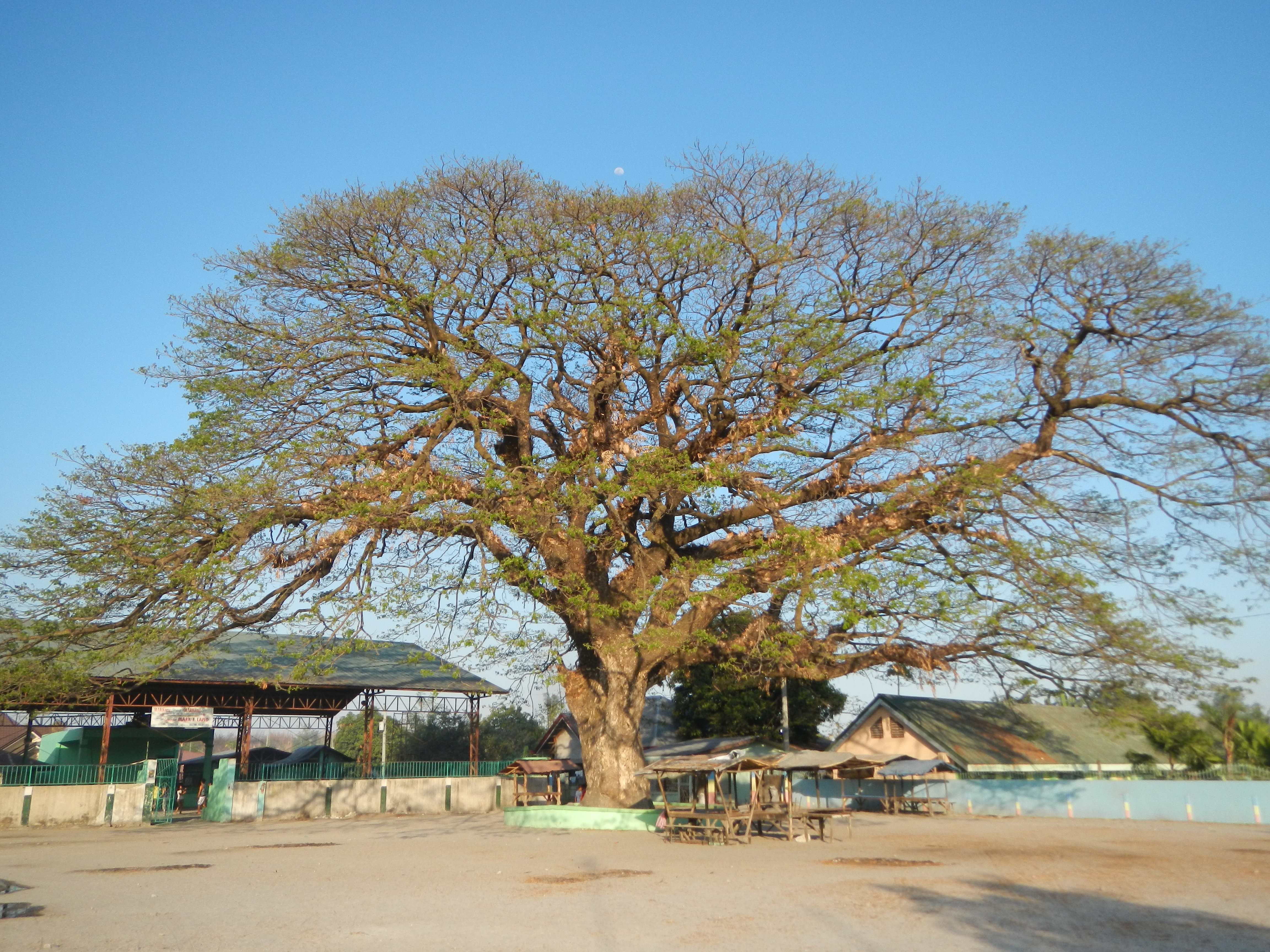
Acacia sengal
Acacia is a diminutive yet robust leguminous tree or shrub that thrives in sandy soils, primarily found in the tropical regions of Africa. As the rainy season subsides, the Acacia stem commences to release a valuable substance known as gum arabic. This gum-harvesting season spans from December to June, making it a significant product for trade and commerce. The Acacia plant exhibits a unique foliage pattern with alternate, bipinnate leaves and clusters of bright yellow flowers, elegantly arranged in spherical clusters known as globose heads. Finally, the fruit of the Acacia is in the form of elongated pods, contributing to the plants distinctive characteristics.
Other Names
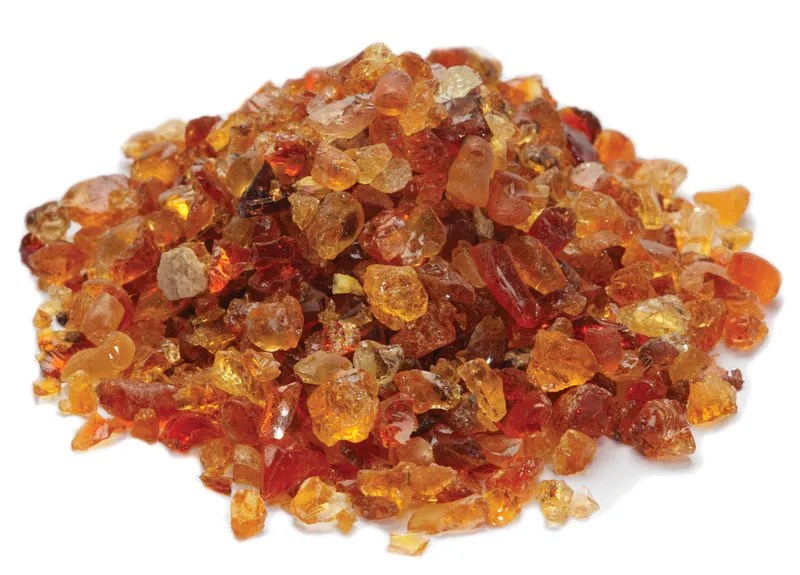
Cape Gum, Egyption Thorn, Gum Arabic Tree, Kikwata, Mkwatia, Mgunga, Mokala, Wattles
Magical Uses
A branch from the Acacia tree has long been believed to have protective qualities. Placing it above one’s bed is thought to ward off negative energies. When Acacia wood is burned alongside sandalwood, it’s believed to enhance psychic abilities and intuition. Beyond its protective uses, Acacia finds its way into magical practices, particularly in spells related to wealth and (platonic, or non-romantic) love.
Medicinal Uses
The primary benefit of gum arabic is its ability to create a soothing and protective layer over inflamed areas within the respiratory, digestive, and urinary systems. When combined with certain astringent substances, it proves effective in addressing issues like coughs, sore throats, catarrh, diarrhea¸ and dysentery. In some cases, the sweetened gum arabic solution has been employed to manage the initial stages of typhoid fever. Moreover, gum arabic’s natural mucilage properties make it an excellent carrier for various medications and offer some nutritional value on its own.
Harvesting
If you don’t want to grow your own Acacia Tree, then the best way to acquire gum arabic is by purchasing it as a spice from a grocery store or health-food store. The wood can be purchased at home centers (but if you plan to burn it, make sure it’s untreated!).
Preparation
Dissolve the gum arabic into water to make a mucilage, which can be mixed with a syrup that is 1 part mucilage and 3 parts syrup. A single dose is 1-4 tsp (for both the mucilage and syrup).
How to Grow
Acacia trees and shrubs thrive in Mediterranean climates and hot savannas. In North America, they flourish in USDA hardiness zones 9 through 11.
Ensure your Acacia plants have well-draining soil. Sandy soil in an excellent choice, but loamy soil can also suffice. Heavy clay, however, might retain excessive water, which is less favorable.
Acacias are naturally sun-lovers and are accustomed to full sun exposure. Most tree species grow tall, providing ample shade. Meanwhile, shrubs and smaller trees can also thrive in partial shade.
Young Acacia saplings require regular watering, ideally at least once a week. However, mature trees are remarkably resilient to drought and typically rely on natural rainfall.
Pruning your Acacia plants during the dry season is a beneficial practice. This encourages fresh growth and denser foliage, keeping your plants healthy and vibrant.
This is an article in a series devoted to various herbs and their magical and traditionally medicinal uses. The purpose is to compile this information from various sources and is for informational use only. In no way does seax-wica.org claim to have any authority or expertise in the medical field. We encourage you to contact a medical professional before using any of these remedies to treat any conditions.
 seaxwica.org