
Aloe vera
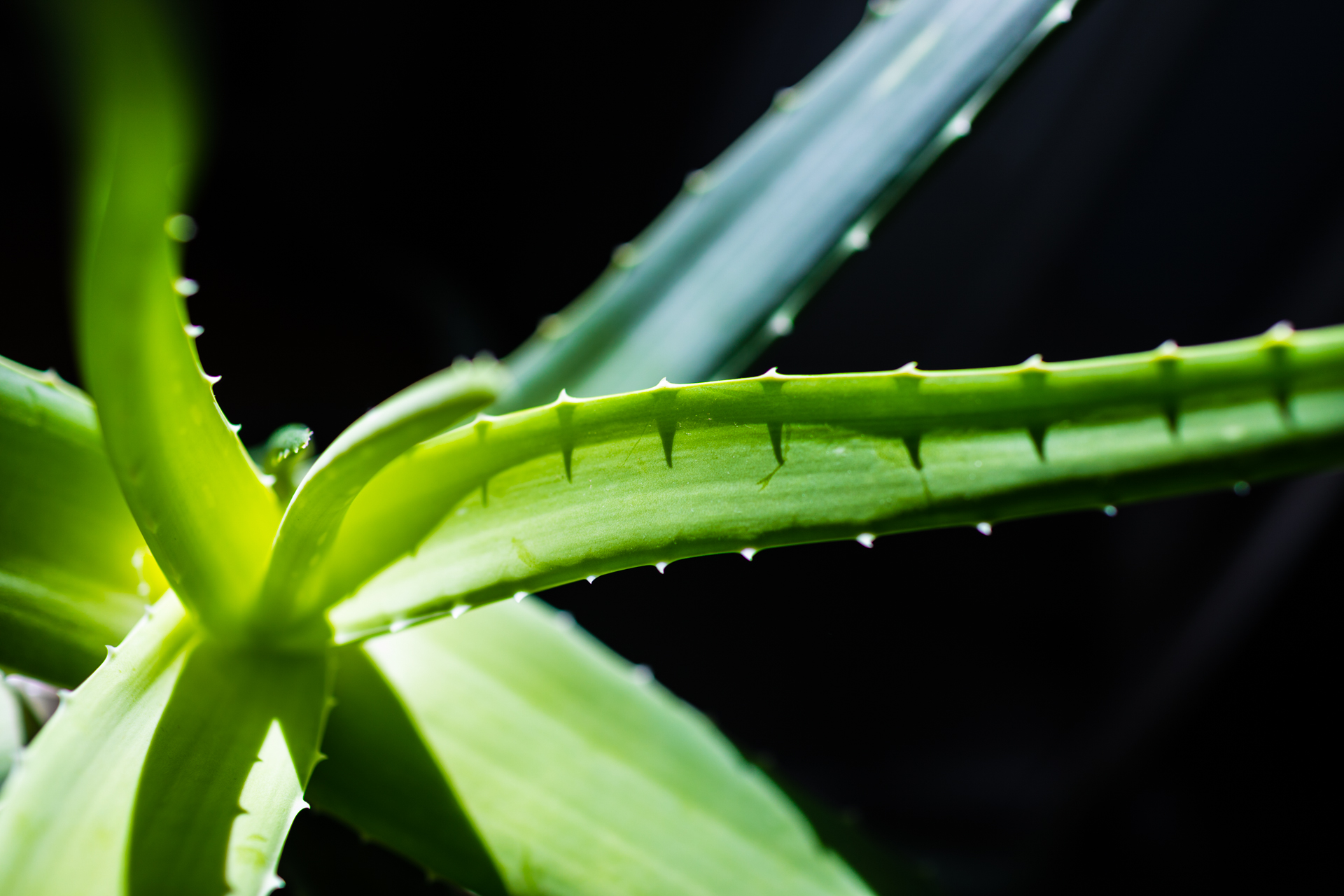
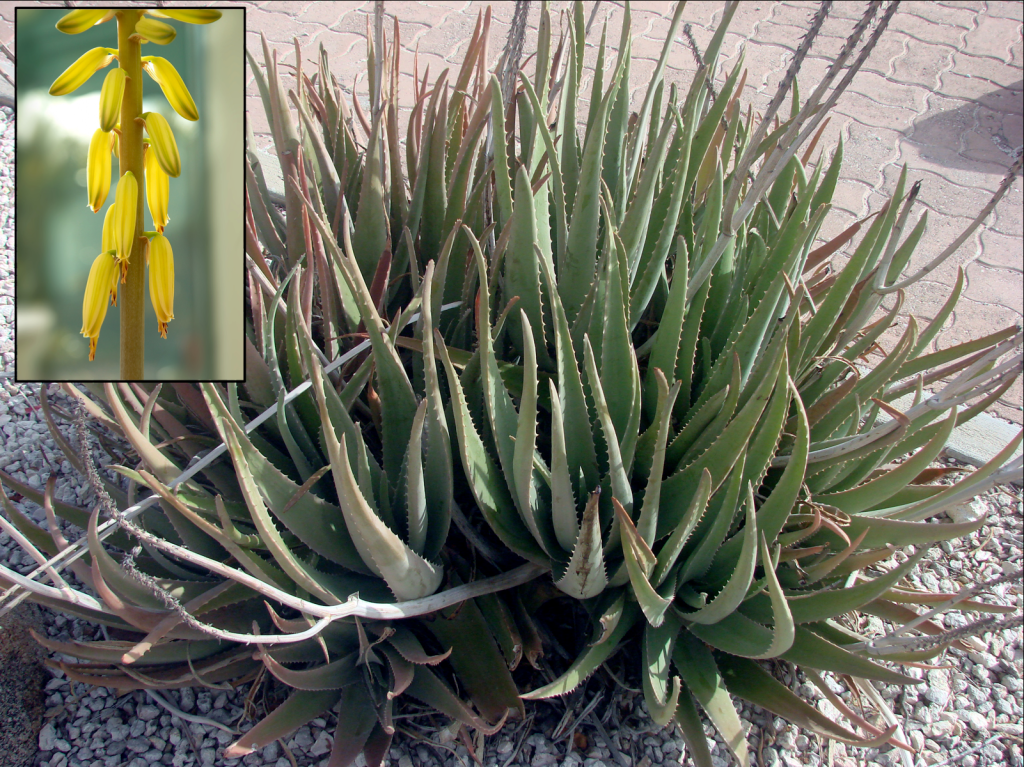
The Aloe plant is a long-lasting plant that grows naturally in East and South Africa. It’s also grown in the West Indies and other warm, tropical places. There have even been sightings of it in the Zapata area of Texas. Aloe has a tough, fibrous root that forms a circular cluster of thick lower leaves, similar to the Agave plant but much smaller in size. These leaves are long and shaped like narrow lances, measuring about 1 to 2 feet, and they’re pale green on both sides, with spiky teeth along the edges. The plant produces hanging flowers that can be yellow or purplish in color and are visible for most of the year. These flowers grow in a tall stem that can reach up to 4 ½ feet in height. The Aloe plant’s seeds are found inside a three-sided capsule.
Other Names
Barbados aloe, Curaco aloe, Burn Plant, Medicine Plant, Saqal, Zabila
Magical Uses
Aloe, a beloved plant often found in people’s homes, does more than just add a touch of greenery. It’s known for its protective qualities, guarding against negative influences, and helping to prevent accidents in the household. In some parts of Africa, people hang Aloe plants over their homes and doors to ward off evil energies and invite good luck into their lives.
In Mexico, they take protective measures even further by creating large garlands crafted from whole garlic bulbs strung together on wire. These garlands are adorned with images of saints, small bags of magical herbs, lodestones, rock salt, pine nuts, and bundles of freshly harvested Aloe. These special creations are hung inside homes to provide protection, attract luck, and even bring in wealth and other positive energies.
Medicinal Uses
Aloes, which is derived from the Aloe plant, has some remarkable properties. However, its taste is quite unpleasant, so it’s usually consumed in powdered or pill form when used as a purgative, which means it helps to cleanse the digestive system. But be aware that it can sometimes cause discomfort and constipation, so it’s best when taken alongside a carminative, which helps with digestion.
The fresh leaves of the Aloe plant can be carefully split open to reveal a gel-like juice. This gel is soothing and can be applied directly to the skin for a variety of purposes, such as alleviating sunburn, soothing minor burns, reducing the appearance of wrinkles, and relieving insect bites, skin irritations, as well as minor cuts and scrapes. The fresh juice is also believed to aid in wound healing by preventing or drawing out infection. Additionally, you can create a healing tea using the dried Aloe juice, which serves as a beneficial wash for wounds and even for the eyes.
Harvesting:
The leaves, particularly the gel inside of them, is used.
Preparation:
For a powder, a dose is between 1 and 5 grains. For a fluid abstract, a dose is from 5 to 30 drops. To make a wash, dissolve ½ tsp of aloes (powdered gel) in 1 cup of water, adding 1 tsp of boric acid to help preserve it and the aid in healing.
How to Grow
Growing and caring for Aloe Vera plants is straightforward, making them an excellent choice for beginners. With the right care, your indoor Aloe can thrive for up to 12 years.
Aloe plants are not heavy feeders and can be harmed by excessive fertilizer. The best time to fertilize them is in the spring before new growth starts. Use a standard houseplant or succulent fertilizer, diluted to half-strength.
For optimal growth, aloe plants require bright, indirect sunlight. Placing them in a sunny kitchen window or using grow lights can be beneficial. Avoid direct sunlight to prevent sunburn.
Choose a porous pot, like terra cotta, to keep the soil dry. Ensure it has drainage holes to prevent waterlogged roots. A well-draining potting mix or mixture of sand, peat moss, and perlite works best.
Aloes prefer temperatures between 55- and 85-degrees F. Avoid exposing them to cold conditions or drafts.
These succulents don’t need frequent watering. Water once a week, more in hot, dry environments, ensuring the soil is entirely dry before watering again. Water your Aloe deeply to promot healthy roots.
 seaxwica.org