
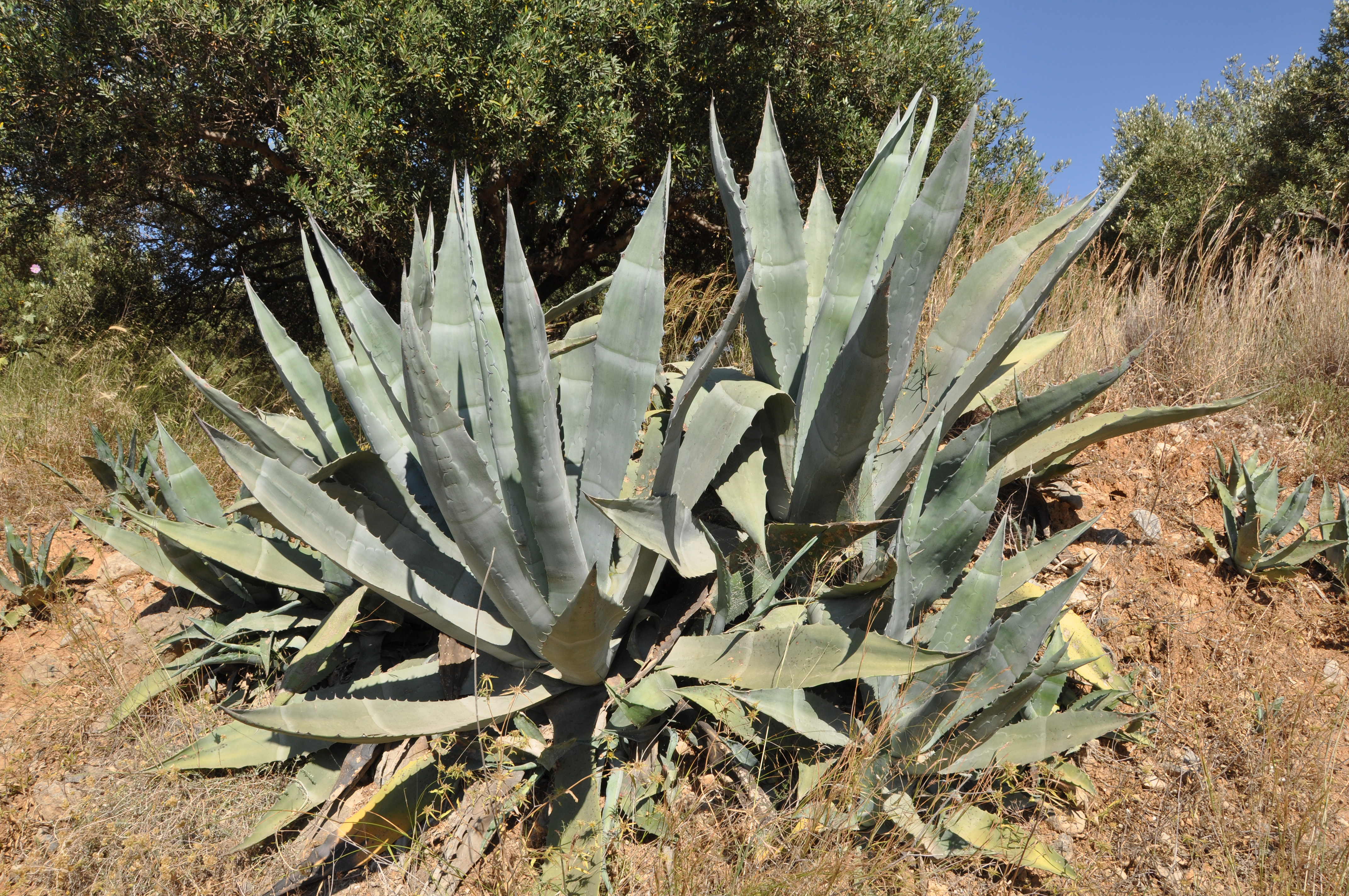
Agave americana
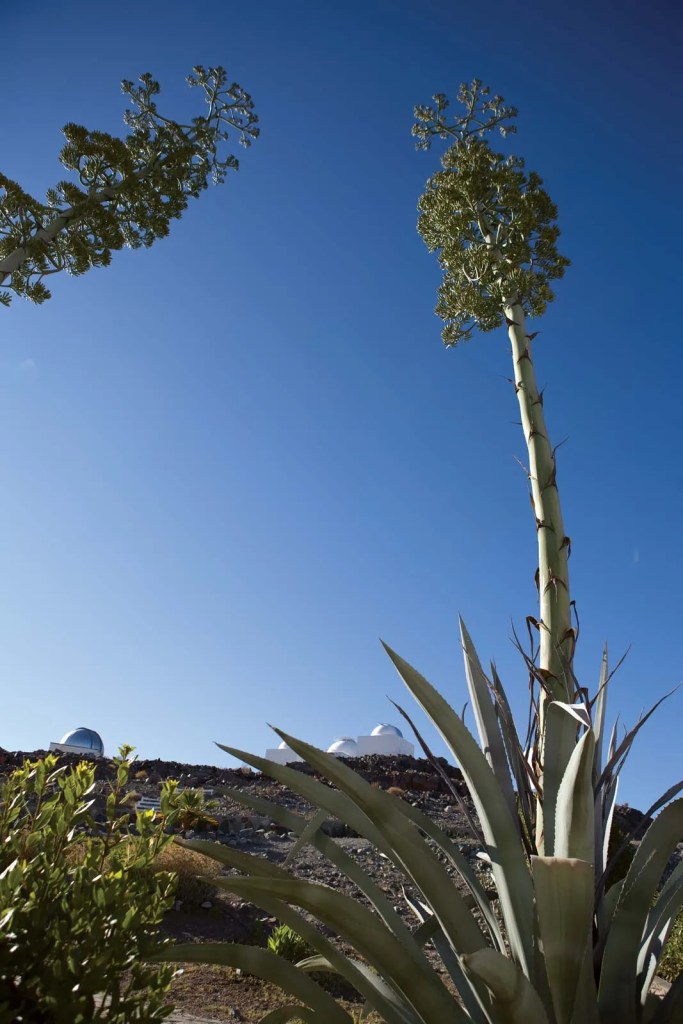
Agave, a hardy perennial plant, thrives in dry regions of tropical America and certain parts of Europe, and a related species is found in the United States. This plant boasts broad, elongated leaves with a fibrous texture, growing vertically from the base to create a robust rosette. These leaves are a smooth gray shade on both sides and feature prickly edges. After a lengthy wait of around 10 years or more, the agave undergoes a remarkable transformation, sending forth a towering flower stalk that can reach heights of 20 to 40 feet. This impressive stalk carries numerous horizontal branches adorned with striking yellowish-green flowers. Once the flowering and fruiting stages are complete, the agave plant concludes its lifecycle.
Other Names
American Agave, American Century, Century Plant, Flowering Aloe, Spiked Aloe
Magical Uses
This particular herb finds its place in spells associated with passion and desire. If you’re seeking to infuse your life and relationships with sensuality and heighted desire, Agave is a potent choice for invoking these energies.
Medicinal Uses
Agave possesses antiseptic, diuretic, and laxative properties. The sap from the Agave plant is known for its disinfectant abilities and can be consumed to inhibit the growth of harmful bacteria in the stomach and intestines. It also functions as a laxative and a diuretic with disinfectant qualities, which can be particularly beneficial for conditions like syphilis. In certain cases, it has been recommended for treating pulmonary turberculosis, liver ailments, and jaundice. Additionally, a solution made by soaking Agave fiber in water for a day can serve as a scalp disinfectant and hair tonic.
Harvesting:
The entire plant is used.
Preparation:
To create a decoction, boil 1 tbsp plant in 1 pint of water. It can also be dried and turned into a powder, with a dosage of ½ tsp taken three times a day.
How to Grow
Agave plants flourish in well-lit areas, benefiting from a minimum of six hours of direct sunlight each day. While they’re well-suited to full sun, they can also tolerate partial shade, especially in regions with sweltering temperatures where they show increased shade tolerance.
Agave plants display adaptability when it comes to soil preferences, but they favor soil with excellent drainage, particularly rocky or sandy substrates. Poor drainage can result in root rot, a detrimental condition for the plant. Additionally, they thrive in soil with a slightly acidic to neutral pH.
Fully developed Agave plants exhibit impressive drought resistance. Typically, they require watering only during prolonged dry spell when the soil has completely dried out. During the initial month after planting or transplanting, it’s advisable to water the plant every four or five days. Subsequently, reduce water frequency to once a week, adjusting as needed based on rainfall, and gradually extend the intervals to every other week.
Most agave varieties are susceptible to frost and are suitable for USDA growing zones 8 or 9. However, there are exceptions like the Agave parryi, which can endure harsher conditions down to zone 5. Moreover, Agaves thrive in low-humidity environments, as high humidity can elevate the risk of crown rot.
Generally, Agave plants do not call for additional fertilization. Adding fertilizers can stimulate premature flowering, which is undesirable since most plants complete their lifecycle after flowering.

